Steamship Embroidery Design Review
As an embroidery designer who has spent years digitizing logos and testing files for commercial viability, I approach every new machine embroidery design with a critical eye. It is not just about whether the image looks pretty on a screen; it is about how it performs under the needle, how it holds up after washing, and most importantly, how it serves the brand identity of the small business using it. Recently, I reviewed the Steamship Embroidery Design, a digital file that promises a classic, vintage nautical aesthetic. For shop owners, apparel decorators, and handmade brands, this review breaks down the practical application of this design in real-world merchandise scenarios.
First Impressions: A Timeless Nautical Aesthetic
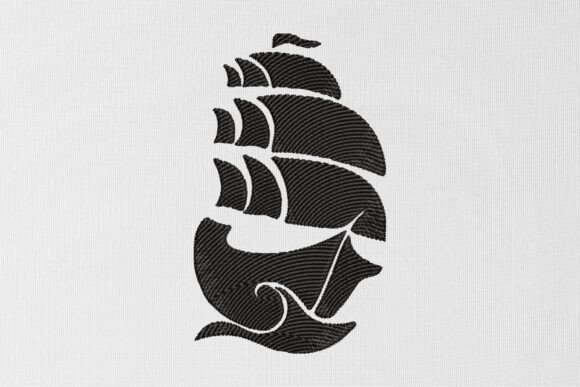
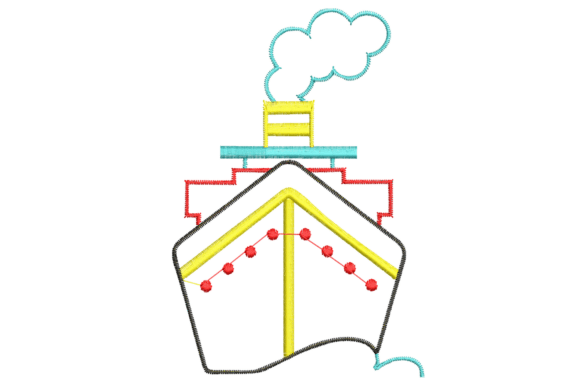
The first thing that strikes you about the Steamship Embroidery Design is its clean, detailed style. In a market saturated with overly complex or cartoonish graphics, this design offers a refined, vintage-inspired look. It feels professional yet approachable, striking a balance between rustic charm and modern clarity. For businesses in the House category or those selling home goods, this timeless appeal is crucial. It does not scream for attention with neon colors or chaotic lines; instead, it invites closer inspection. This subtlety is a significant asset for brands aiming for a premium or heritage feel. Whether you are running a boutique coffee shop, a coastal gift store, or a custom apparel line, the visual personality of this design suggests reliability and tradition.
Real-World Application for Small Business Merch
When evaluating a digital embroidery file for commercial use, I always ask: where does this actually live on a product? The Steamship Embroidery Design is versatile, but its best performance comes from strategic placement. Here is how I envision this design working for various small business merchandising needs:
- Embroidered Patches: This is perhaps the strongest use case. The detailed lines of the steamship translate well into a patch format, which can be sewn onto denim jackets, canvas bags, or hats. Patches allow customers to buy into the brand identity without committing to a full garment, making them excellent impulse buys at markets or online stores.
- Tote Bag Design: Canvas tote bags are a staple for eco-conscious brands and bookstores. Placing the steamship centrally on a natural cotton tote creates a striking, artisanal look. The contrast between the thread and the fabric texture enhances the handmade product appeal.
- Apron Embroidery: For bakeries, florists, or craft studios, branded aprons are both uniform and marketing tool. The steamship motif adds a touch of whimsy and professionalism to staff uniforms, reinforcing the brand’s attention to detail.
- Cap Embroidery: A smaller version of this design works beautifully on the front panel of a dad hat or trucker cap. However, due to the curved surface and limited space, simplification might be necessary, which I will discuss later.
For Etsy sellers and crafters, this design can also serve as a standout element on cushions or wall hangings, fitting seamlessly into the House product type. The key is consistency. Using the same Steamship Embroidery Design across different items helps build visual consistency, which is vital for customer trust and recognition.
Navigating Technical Challenges and Fabric Constraints
While the design is visually appealing, experienced embroiderers know that details can be tricky. The "clean, detailed style" mentioned in the description requires careful handling regarding stitch density and fabric choice. Here are the areas where you need to exercise caution:
- Small Patch Sizes: If you scale the design down too much for a tiny chest logo or a small patch, the fine details of the steamship may merge. Always test the design at your intended size to ensure the outlines remain distinct.
- Curved Surfaces: Embroidering on cap fronts or curved sleeves can distort detailed images. The steamship’s straight lines and geometric elements might warp if the hoop tension is not perfect. Using a proper stabilizer is non-negotiable here.
- Textured Fabric: On highly textured fabrics like terry cloth or heavy wool, small details can get lost. I recommend testing the design on smooth cotton or twill first to see how the thread colors interact with the base material.
- Dark Uniforms: If you are stitching on dark navy or black uniforms, ensure your thread colors have enough contrast. A low-contrast palette might make the detailed steamship look muddy from a distance.
It is also important to note that frequent washing can affect high-density embroidery. If this design is intended for work shirts or aprons that will be laundered daily, consider using high-quality rayon or polyester threads that resist fading and fraying. Always check the specific recommendations for the embroidery file regarding wash care.
Enhancing Brand Identity and Customer Engagement
Beyond the technical aspects, the Steamship Embroidery Design plays a pivotal role in shaping brand identity. In today’s market, customers are drawn to brands that tell a story. The vintage nautical theme evokes feelings of adventure, history, and craftsmanship. When a customer sees this design on a tote bag or a jacket, they are not just seeing a logo; they are buying into an aesthetic. This emotional connection drives buyer engagement and increases the perceived value of the finished product.
For handmade brands, using a high-quality commercial embroidery design signals professionalism. It shows that you care about the quality of your assets, which translates to trust in your products. Whether you are creating printable mockups for your online store or producing physical samples for a trade show, the crispness of this design helps your brand stand out against competitors using generic clip art.
Practical Designer Notes for Production
Before you load this digital embroidery file into your machine for a large production run, follow these practical steps to ensure success:
- Test in Black and White First: Stitch out a sample using only black thread on white fabric. This helps you identify any spacing issues or overlapping stitches that might not be visible in a colorful preview.
- Check Hoop Size Compatibility: Confirm that the design fits within your available hoop size. If the design is larger than your standard hoop, you may need to use a multi-hoop technique, which requires precise alignment.
- Review Thread Color Contrast: Select thread colors that complement your brand palette but also provide enough definition. Sometimes, using a slightly darker shade for outlines can make the design pop.
- Create a Printable Mockup: Before stitching, place the design on a digital mockup of your chosen product. This helps you visualize the scale and placement, ensuring it looks balanced on the item.
- Confirm Commercial Licensing: Always verify the license terms of the design assets you purchase. Ensure that the file allows for commercial use on physical goods you intend to sell.
Since specific technical details like exact stitch count or file formats are not provided in the brief description, I strongly advise downloading a sample or contacting the provider to confirm compatibility with your embroidery software and machine. Every machine behaves differently, and what works on one may require tweaking on another.
Final Verdict for Merch Creators
The Steamship Embroidery Design is a strong contender for small business owners looking to add a touch of vintage elegance to their merchandise. Its versatility across patches, bags, and apparel makes it a valuable addition to your library of design assets. By paying attention to fabric texture, stabilizer choice, and placement, you can leverage this design to create high-quality, branded products that resonate with customers. Remember, the goal is not just to embroider a logo, but to create a tangible representation of your brand’s values. With careful execution, this steamship motif can sail your brand toward greater recognition and sales.