Reviewing the 2026 Split Block New Year Art Embroidery Design
As a designer who has spent countless hours digitizing patterns and testing files on various machines, I approach every new machine embroidery design with a critical eye. It is not just about whether the image looks good on a screen; it is about how those stitches lay down on fabric, how the tension holds up after washing, and whether the final product feels premium enough to sell. Recently, I evaluated the 2026 Split Block New Year Art Embroidery design, and it offers a fascinating case study in modern, minimalist digitizing for the upcoming season.
First Impressions: Minimalism Meets Dynamic Motion
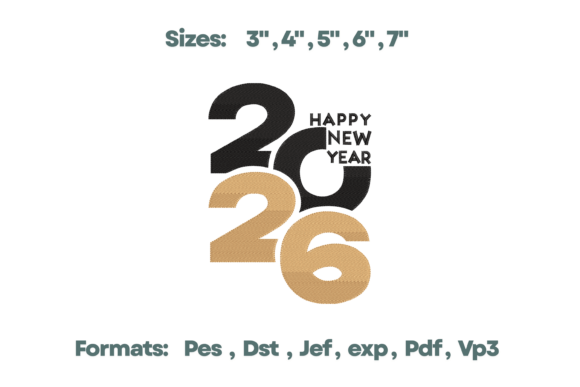
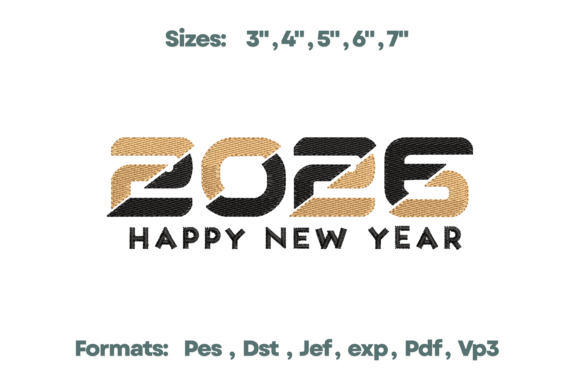
The first thing that strikes you about this pattern is its graphic confidence. In a market saturated with overly complex holiday motifs, this design chooses restraint. The concept is simple yet effective: a sharp, diagonal split through the year 2026. This creates a dynamic interplay between negative space and solid fill, giving the numbers a sense of movement without relying on excessive decorative elements like snowflakes or stars.
From a technical perspective, this "split block" style suggests a heavy reliance on clean fill stitch work, likely supported by crisp satin stitch borders to define the edges. For an experienced embroiderer, this signals a design that prioritizes clarity. The mood is contemporary and bold, making it feel less like a traditional seasonal craft and more like a piece of modern typographic art. This distinction is crucial because it expands the potential audience beyond just holiday enthusiasts to anyone interested in modern graphic aesthetics.
Real-World Application: The Sweatshirt Test
To truly understand the value of an embroidery file, you have to imagine it on a finished product. I visualized this design centered on the chest of a high-quality, heavyweight cotton sweatshirt. This is a popular item for custom apparel businesses and Etsy sellers looking to capitalize on New Year trends.
On a dark charcoal or navy fabric, the contrast would be striking. The diagonal split allows light to catch the texture of the threads differently on each side of the number, adding depth that a flat print could never achieve. For a small shop product, this level of visual interest increases perceived value. Customers are not just buying a shirt; they are buying a textured, tactile piece of art. I also considered this design on a canvas tote bag design. The structural integrity of the block letters would hold up well against the coarse weave of canvas, provided the correct stabilizer is used to prevent puckering.
Versatility Across Product Lines
Beyond apparel, this design has strong potential in home decor and accessories. Imagine it stitched onto a linen pillow cover for a modern living room update, or as a focal point on a kitchen towel. Because the design is rooted in the Winter season but avoids specific religious or cultural symbols, it has a broad appeal. It works equally well as a personalized gift for a January birthday or a general New Year celebration item.
For those running a craft business, versatility is key. This design could easily be scaled down for an embroidered patch or a cap front, though careful attention must be paid to detail retention at smaller sizes. The clean lines suggest it would translate well to a printable mockup for online listings, allowing digital product sellers to showcase the design effectively before a single stitch is made.
Technical Considerations and Stitching Challenges
While the aesthetic is strong, practical execution requires attention to detail. The sharp angles and the diagonal split introduce specific challenges regarding stitch density and direction changes. When working with this type of geometric Embroidery, the transition between the two halves of the split must be seamless. If the digitizing is poor, you might see gaps or overlapping threads that disrupt the clean line.
I recommend testing this design on scrap fabric before committing to a final handmade product. Pay close attention to the corners of the numbers. Sharp corners in block lettering can sometimes pull or bunch if the underlay is insufficient. Additionally, if you are stitching on stretchy fabrics like jersey knits for baby clothes, a cut-away stabilizer is non-negotiable to maintain the shape of the bold blocks over time.
Fabric and Thread Selection
The success of this design heavily depends on your choice of thread colors. High-contrast combinations will emphasize the split effect, while monochromatic schemes will create a subtle, tonal look suitable for boutique branding. However, avoid using variegated threads on such a geometric design, as the color shifts can distract from the clean lines and make the split appear messy rather than intentional.
Be cautious with textured fabrics. While the design is bold, heavy textures like thick wool or terry cloth can obscure the fine details of the split. For best results, stick to smooth cottons, poly-blends, or tightly woven linens. If you are creating holiday embroidery for gifts, ensure the hoop size you select accommodates the full width of the design without distorting the surrounding fabric.
Commercial Viability and Brand Consistency
For commercial embroidery projects, consistency is everything. This design’s minimalist nature makes it easier to reproduce consistently across multiple items compared to highly detailed scenic designs. This reliability builds customer trust. When a buyer receives a finished product that looks exactly like the photos, their satisfaction increases, leading to better reviews and repeat business.
Furthermore, using modern, graphic designs like the 2026 Split Block New Year Art Embroidery helps position a brand as current and stylish. It moves away from the cluttered aesthetic often associated with mass-produced holiday goods. For design assets and digital sellers, offering this as part of a curated collection of modern holiday designs can attract a demographic willing to pay a premium for contemporary style.
Final Designer Notes
Before you purchase or download any digital embroidery file, always verify the technical specifications. Since specific details like exact stitch count, available formats, and license terms were not provided in the initial description, you must check these with the vendor. Ensure the file is compatible with your machine software and that the license permits commercial use if you plan to sell the stitched items.
- Test First: Always stitch out on similar fabric to check for registration issues.
- Check Density: Ensure the fill is not too dense for lightweight fabrics to avoid stiffness.
- Contrast Matters: Use high-contrast thread for maximum impact of the split design.
- Stabilize Properly: Match your stabilizer to the fabric weight and stretch.
- Verify Licensing: Confirm commercial rights before selling any small shop product.
In conclusion, the 2026 Split Block New Year Art Embroidery is a strong contender for designers looking to refresh their seasonal offerings. Its blend of modern typography and classic holiday timing makes it a versatile tool for creating memorable, high-quality embroidered goods. By paying attention to the technical nuances of stitching and fabric selection, you can transform this digital asset into a standout physical product.