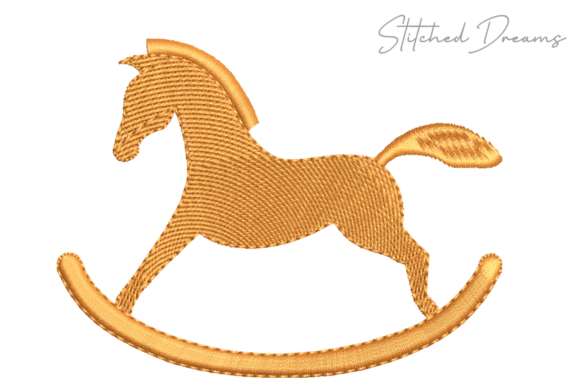
Reviewing the Rocking Horse Embroidery Design
As a designer who has spent years digitizing patterns and testing thousands of machine embroidery design files, I have developed a keen eye for what translates well from screen to fabric. When I first opened the Rocking Horse Embroidery Design, my immediate reaction was one of nostalgic warmth. It is not just a graphic; it is a mood. The motif captures the classic charm of vintage nursery toys, balancing whimsical appeal with structural clarity. For those of us in the craft industry, finding a design that feels both timeless and fresh is rare. This particular file stands out because it avoids the overly cartoonish traps that many baby-themed designs fall into, opting instead for a more refined, illustrative approach.
First Impressions and Visual Personality
The layout of this design is compact yet detailed. Upon zooming in, I noticed the thoughtful distribution of stitch types. The rocker curves rely on smooth satin stitch work, which provides a glossy, raised texture that catches the light beautifully. In contrast, the body of the horse utilizes a balanced fill stitch pattern. This combination is crucial for visual interest. If the entire design were flat fill, it would look dull on a garment. If it were all satin, it would be too dense and stiff. The designer has struck a practical balance here.
The theme naturally leans toward Babies and early childhood, but its aesthetic versatility allows it to cross over into general home decor. It feels appropriate for a high-end boutique rather than a discount bin. This distinction matters immensely when you are positioning your handmade product in a crowded market like Etsy. Customers are looking for quality, and the clean lines of this embroidery file signal professionalism before the item is even stitched out.
Real-World Application: The Custom Tote Test
To truly evaluate a design, you must imagine it in a real project. I recently considered using this motif for a custom canvas tote bag design intended as a baby shower gift. The scenario was specific: a neutral-toned organic cotton tote with a pop of color. I visualized the rocking horse centered on the lower half of the bag. Because the design has a strong horizontal base due to the rockers, it anchors well on rectangular surfaces.
However, I also considered its application on sweatshirt embroidery. A crewneck sweatshirt offers a larger canvas, allowing the details of the mane and tail to breathe. Here, the thread colors become critical. I tested mental mockups using pastel palettes versus bold primaries. The design holds up in both, but the intricate details shine brighter with higher contrast. For a personalized gift, adding a name beneath the horse using a complementary script font could enhance the value, provided the lettering is sized correctly to match the density of the main motif.
Fabric Considerations and Stitch Performance
One of the most important aspects of reviewing any digital embroidery file is understanding how it interacts with fabric texture. This rocking horse design features some finer details in the bridle and facial features. On stable, woven fabrics like denim, twill, or heavy cotton, these details will crisp up nicely. However, caution is needed when working with stretchy knits or thin materials.
If you plan to use this on a baby onesie, the stitch density must be evaluated carefully. Dense stitching on thin fabric can cause puckering, which ruins the professional look of the finished product. I strongly recommend using a cut-away stabilizer for knits to support the weight of the stitches. For woven fabrics like tea towels or pillow covers, a tear-away stabilizer might suffice, but always test on scrap fabric first. The last thing a small shop product needs is a distorted shape after washing.
Navigating Technical Constraints
While the design is charming, it is not without its technical demands. The curved nature of the rocking horse means that placement on curved surfaces, such as caps or hats, requires precision. If you are attempting custom apparel like a baseball cap, ensure your hoop size accommodates the width of the rockers. Cramping the design into a too-small hoop can lead to thread breaks or registration issues where the colors do not align perfectly.
Additionally, consider the hoop size relative to the detail level. If you scale this design down too much to fit a small pocket or a tiny embroidered patch, the finer running stitches and satin columns may merge together, losing definition. It is essential to check the minimum recommended size provided by the digitizer. If that information is not explicitly stated in the product description, stitch out a test sample at various sizes to find the threshold where clarity is lost.
Commercial Viability for Etsy Sellers
For Etsy sellers and creative entrepreneurs, this design offers strong commercial potential. The nostalgia factor appeals to a wide demographic, from grandparents buying heirloom-quality gifts to parents seeking unique nursery decor. When creating printable mockup images for your online store, this design photographs well because of its distinct shapes. It does not get lost in shadows or blend into the background easily.
Using this as part of a broader collection of design assets can help build brand consistency. Imagine offering a line of holiday embroidery items where the rocking horse is dressed in seasonal accessories, or paired with other vintage toys. This creates a cohesive look that encourages multiple purchases. However, always verify the licensing terms. While many designers allow commercial use for finished physical items, selling the applique design or digital file itself is often restricted. Confirming these rights protects your craft business from legal issues down the line.
Practical Designer Notes for Best Results
Before committing to a large production run or a high-stakes client order, follow these practical steps to ensure success with the Rocking Horse Embroidery Design:
- Test on Scrap Fabric: Always stitch a sample on the exact fabric type you intend to use. This reveals any tension issues or puckering before you ruin good material.
- Check Thread Contrast: View your design in black and white on your screen. If the details disappear, you need higher contrast between your thread colors and the fabric background.
- Review Stitch Density: If the design feels stiff after stitching, consider reducing the density slightly if your software allows, or switch to a lighter weight thread.
- Inspect Small Details: Zoom in on the eyes and hooves. Ensure these areas have enough underlay stitches to prevent gaps or fabric show-through.
- Confirm Licensing: Double-check whether the license covers commercial embroidery sales, especially if you are selling on multiple platforms.
In conclusion, the Rocking Horse Embroidery Design is a robust choice for designers looking to add a touch of whimsy without sacrificing quality. It performs well across various applications, from baby embroidery projects to home decor, provided you respect the technical requirements of stitch density and fabric stability. By approaching this design with a critical, experienced eye, you can leverage its charm to create products that resonate with customers and stand the test of time.